
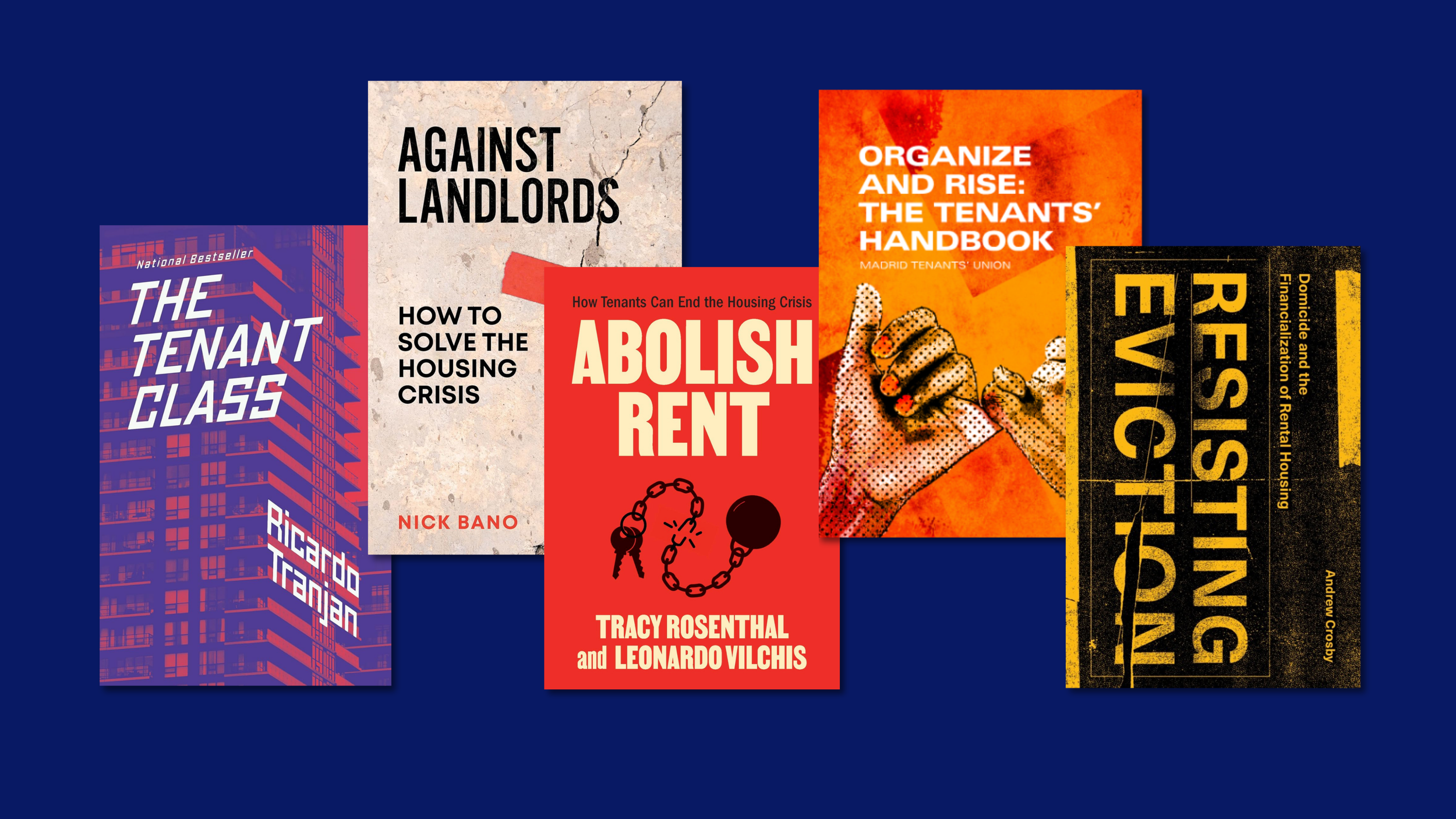
How to resist your landlord
A reading list
By Bruno Dobrusin
The tenant movement across Canada is growing, with unions and resistance groups popping up in every major city in the country. The commodification of land and housing and the growing economic power of the real estate industry have pushed tenants to the brink, facing displacement and ever-increasing rents. The landlord class has been supported by a political class that calls for greater supply, while deregulating housing.
As Ontario’s Conservative Doug Ford government passes bills that attack tenants’ rights, British Columbia argues over supply while Vancouver remains the eviction capital of Canada. The federal government, under Justin Trudeau previously and now Mark Carney, continues to give concessions to major landlords and developers, while maintaining the narrative that the market will fix what the market is actively destroying.
We reject these narratives, tell our stories in our own words, share and discuss tactics, and learn from one another as we fight landlords, developers, and the political system that props them up. These books are instrumental today, but we hope that one day they will be historical artifacts documenting the fight against a retired and meaningless system: landlordism.
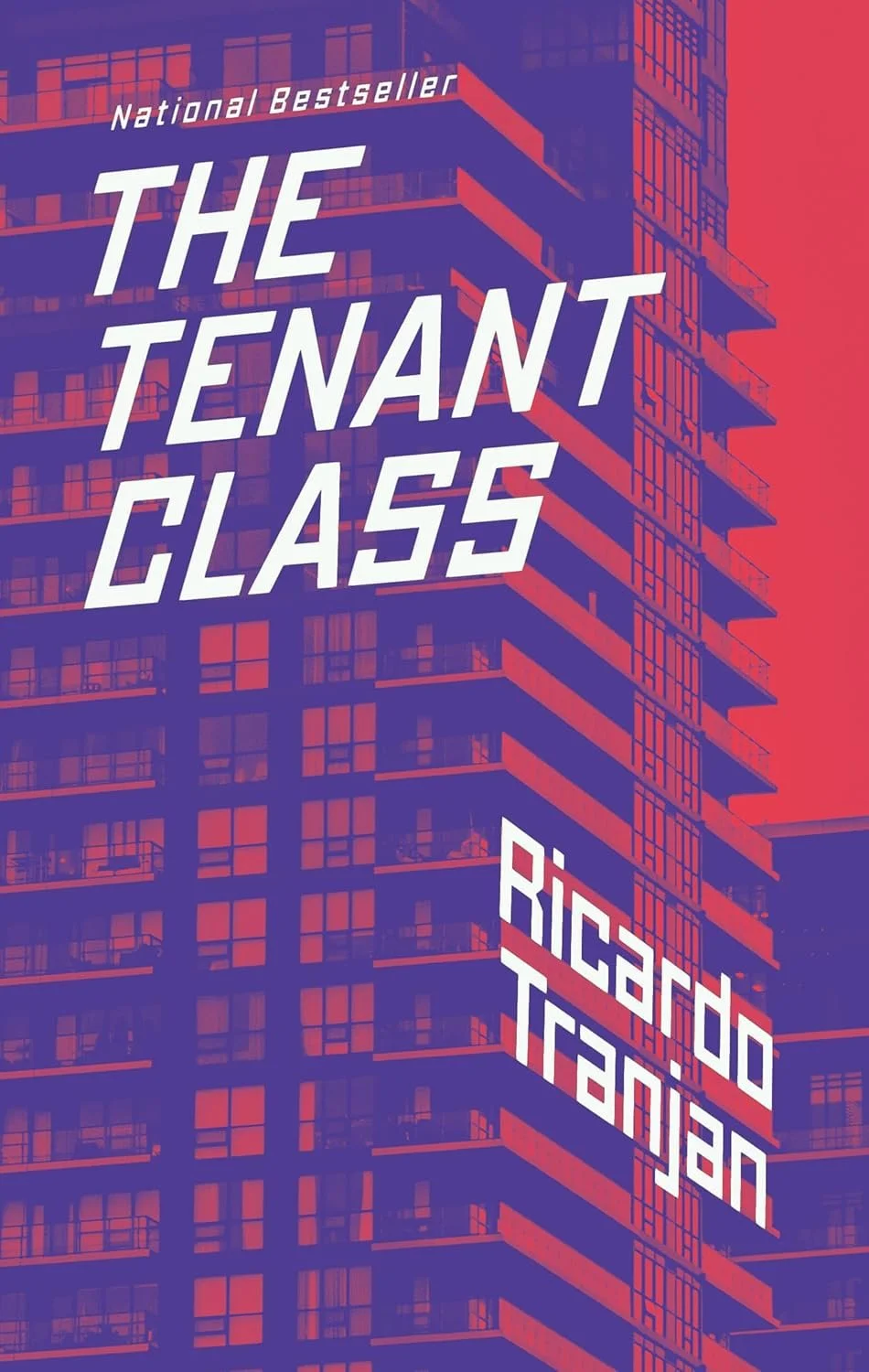
The Tenant Class (2023)
An immediate classic of tenant literature in Canada, this book challenges the dominant narrative about housing affordability. Ricardo Tranjan, a political economist with the Canadian Centre for Policy Alternatives, convincingly argues that rather than a housing system that has derailed in recent years, causing a “housing crisis,” Canada has a well-functioning housing market that effectively transfers income and wealth from tenants to landlords. After presenting tenants and landlords as classes with opposing interests, Tranjan turns to tenant organizing, providing concrete examples of how tenants across the country fight back against an unjust system. The book has opened a national conversation on the tenant class, providing the movement with an effective framing to challenge dominant narratives and bring new people across the country into tenant organizing spaces.
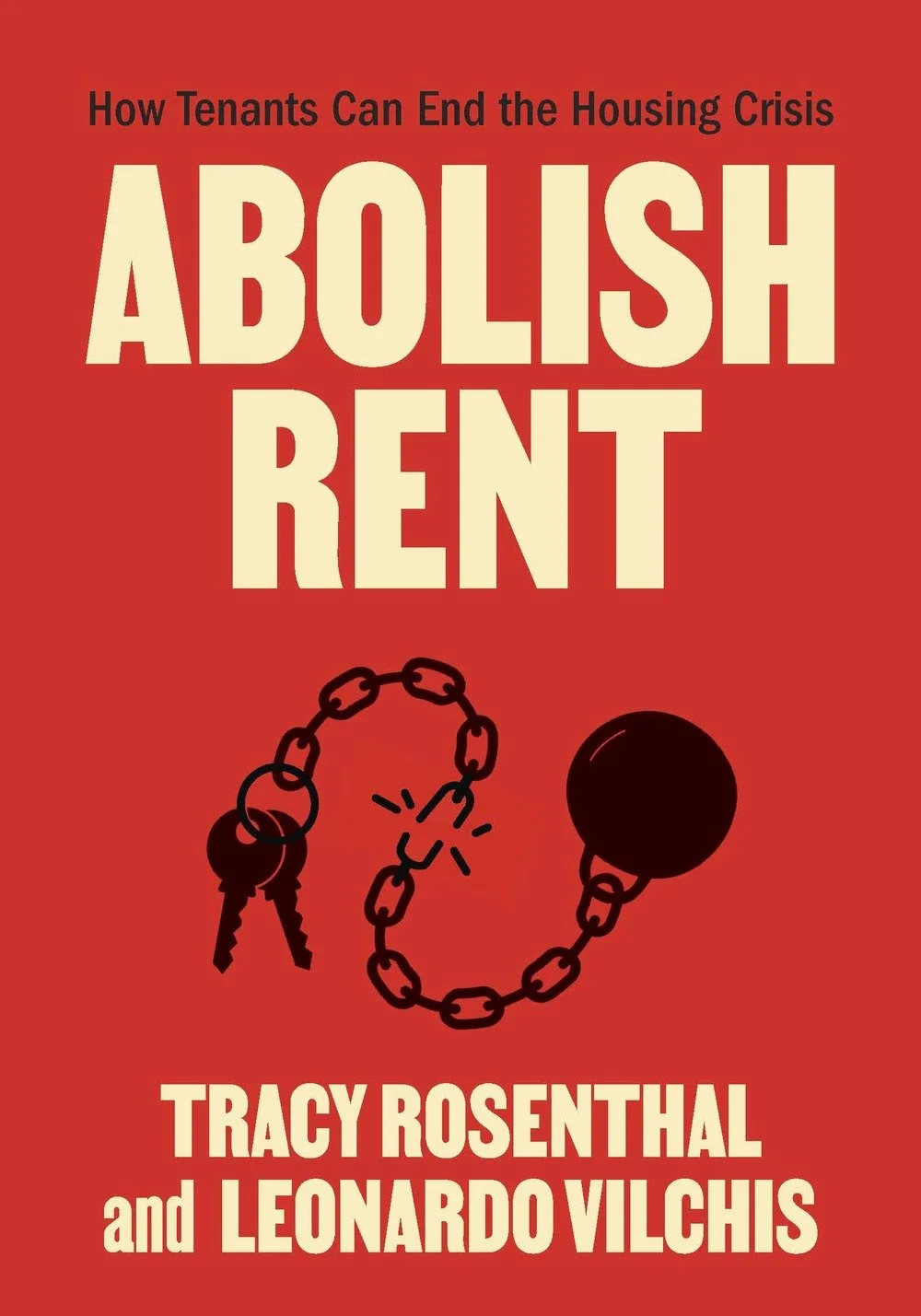
Abolish Rent: How Tenants Can End the Housing Crisis (2024)
Tracy Rosenthal and Leonardo Vilchis’ book draws on their experiences as the co-founders of the Los Angeles Tenants Union, describing how it grew from a group of disenfranchised tenants to an important political actor. They show the day-to-day experiences of organizing in different settings in L.A., providing language and analysis for the challenges organizers face, such as when mobilizing a large rent strike. Of note is how the authors compare the specific challenges their union faced with broader challenges of the tenant movement. This includes the tensions between the movement and the political class, as well as the challenges of connecting tenants with many different mother tongues in a diverse city.
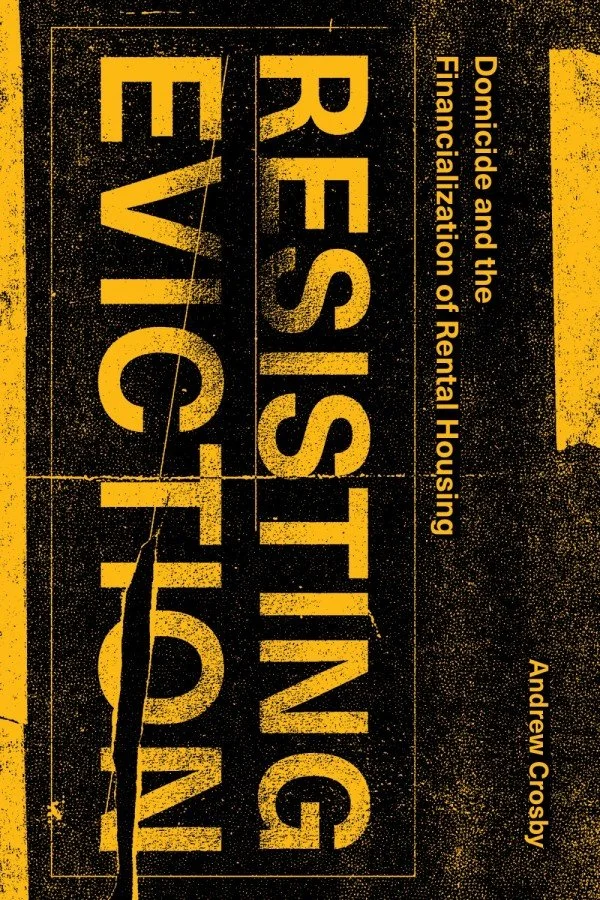
Resisting Eviction: Domicide and the Financialization of Rental Housing (2023)
Andrew Crosby provides an in-depth analysis of tenant struggles in the Heron Gate neighbourhood in Ottawa. The home of some 1,750 families, of which a large share are low-income, racialized, and newcomers, Heron Gate was the site of two mass evictions in 2016 and 2018 that displaced a combined total of more than 800 people. The Herongate Tenant Coalition stood in the way of the third wave of evictions. It was a brutal and bravely fought battle against a well-resourced corporate landlord, which Crosby carefully documents and thoughtfully describes. More than a researcher, Crosby was directly involved in the struggle, conducting actionable research, fundraising, and writing news stories. His close involvement translates to perceptive discussion about day-to-day tactics – such as whether to engage in community consultations and what strategies to employ – alongside inspiring stories of the courage and sacrifice of people fighting for their homes.
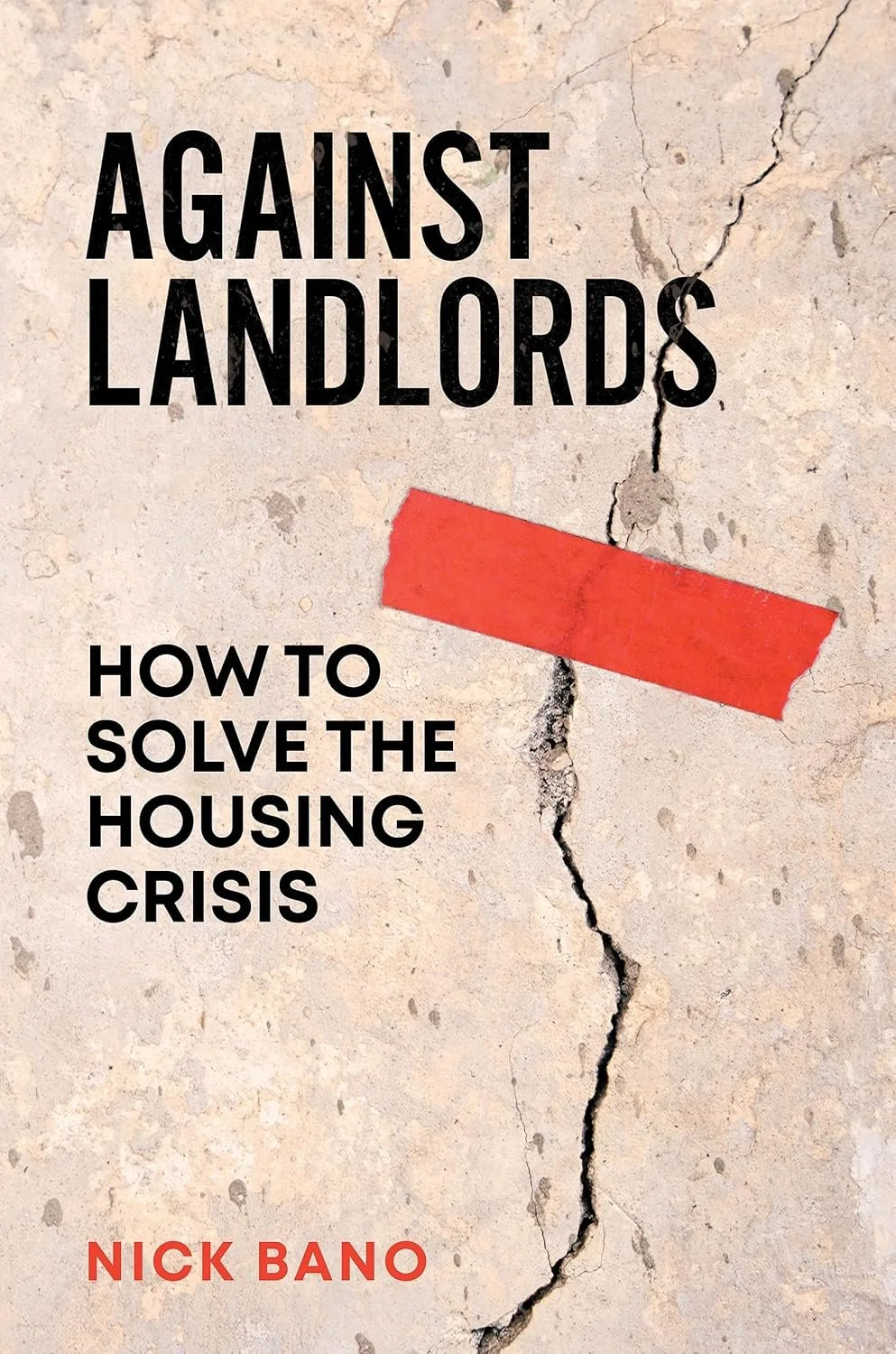
Against Landlords: How to Solve the Housing Crisis (2024)
Nick Bano’s Against Landlords takes us from North America to England. Unlike the previous books on this list, this one delves into the legal aspects of the tenant struggle. As a barrister who specializes in representing homeless people, residential occupiers, and destitute and migrant households, Bano uses his case experience to uncover a legal and political architecture that supports landlords’ exploitation of tenants. The book nicely connects the individual with the universal, challenging the pseudo-neutrality of British housing law. Many passages are a reminder that legal spaces are only one space of dispute when fighting landlord attacks. In Canada, every province has a rental and/or landlord and tenant board that make direct decisions on tenants’ housing; and these tribunals often take a lot of an organizer’s energy and time, and are focused on individual tenant-landlord relations. Bano underlines that the larger political struggle to reimagine the system of laws and property governing housing should be as much a priority as tackling individual legal battles.
Abolish Rent: How Tenants Can End the Housing Crisis (2024)
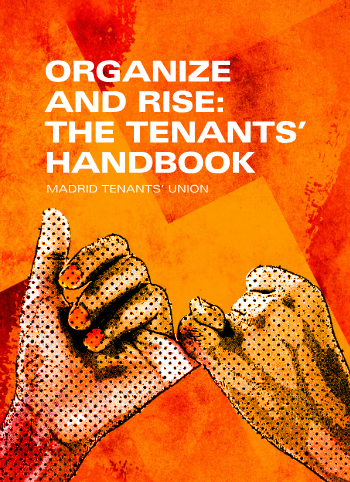
My final recommendation is a manual written by one of the best-organized tenant unions: the Madrid Tenants’ Union. With a membership of thousands and the ability to mobilize even more, they’ve won against powerful landlords such as Blackstone and are a pillar of Spain’s powerful and influential tenant movement. They adapted the classic labour manual Secrets of a Successful Organizer (from Labor Notes in the U.S.) into a tenant organizing manual, providing a template for structure-based organizing. Borrowing many of the strategies and adding in their own, the handbook provides detailed examples of how to start door-knocking campaigns, run meetings, escalate fights with different types of landlords, and bring tenants on board for the fight. Overall, this is one of the most comprehensive tools on how to start building a tenant campaign anywhere.
Bruno Dobrusin is a tenant and co-chair of the recently formed Toronto Tenant Union. He was one of the founders of the York South-Weston Tenant Union in northwest Toronto, leading one of the largest rent strikes in the city’s history.